

Blog
Memory cards 16GB

16GB Memory Cards: Features, Uses and Buying Guide
A 16GB memory card is a compact and practical storage solution for compatible cameras, phones, tablets, computers, gaming devices and other electronics. Although larger capacities are widely available, 16GB remains useful for devices with limited storage requirements, older equipment and users who want a simple, affordable way to store photos, documents, music or other files.
The term “16GB memory card” can refer to different physical formats, including a full-size SD card or a microSD card. Choosing the correct format, speed rating and compatibility is therefore important before purchasing.
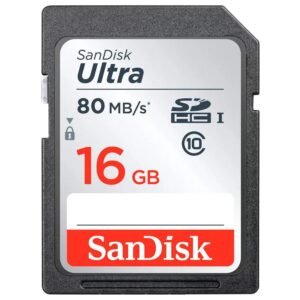
Memory cards 16GB
What Is a 16GB Memory Card?
A 16GB memory card provides approximately 16 gigabytes of advertised storage capacity. In the SD standard, capacities above 2GB and up to 32GB fall within the SDHC category. SDHC cards use the FAT32 file system.
A 16GB card can be available as:
- Full-size SD card
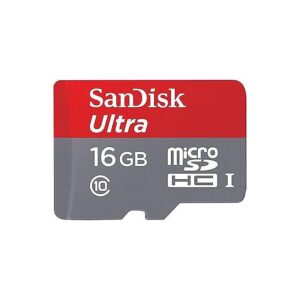
- microSDHC card
- microSD card supplied with an SD adapter
- Different speed classes and performance ratings
The physical format matters because devices have different card slots. A full-size SD card will not fit directly into a microSD slot, while a microSD card can sometimes be used in an SD-sized slot with a suitable adapter.
Common Uses for a 16GB Memory Card
Digital Cameras
A 16GB SD card can provide additional storage for photographs and compatible video recordings. It can be particularly useful as a spare card for photography trips or everyday shooting.
The amount of content that fits on the card depends on factors such as image resolution, file format and video quality.
Smartphones and Tablets
A 16GB microSD card can provide additional removable storage on compatible devices.
However, not every modern smartphone or tablet has a microSD slot. Always check the manufacturer’s specifications before purchasing a memory card.
Portable Devices
Memory cards are also used in compatible dash cameras, action cameras, handheld gaming devices, audio equipment and other electronics.
The required capacity and speed can vary considerably between devices, so checking the product manual is important.
Understanding Memory Card Speed
Storage capacity is only one part of choosing a memory card. Speed class can be equally important.
The SD Association defines several speed classifications, including Speed Class, UHS Speed Class and Video Speed Class. These classifications indicate minimum sustained write performance under defined conditions.
Class 10
A Class 10 memory card has a minimum sequential write speed of 10MB/s under the relevant Speed Class standard. This can make Class 10 cards suitable for many everyday recording and storage applications.
UHS-I and U1
UHS-I refers to a bus interface, while U1 is a UHS Speed Class rating. U1 specifies a minimum sequential write speed of 10MB/s.
These terms are related but are not interchangeable. A card can have both a UHS-I interface and a U1 rating.
V10 and V30
Video Speed Class ratings are particularly relevant when choosing storage for video recording.
V10 specifies a minimum sustained write speed of 10MB/s, while V30 specifies 30MB/s. The appropriate rating depends on the requirements of the recording device and video format.
Advantages of a 16GB Memory Card
A 16GB memory card can offer several practical benefits.
Compact Storage
Memory cards are small and lightweight, making them easy to carry as spare storage.
Affordable Capacity
For devices that do not require large amounts of storage, 16GB can provide a straightforward option without paying for unnecessary capacity.
Removable Storage
Unlike internal storage, a memory card can be removed and transferred between compatible devices.
Useful for Older Devices
Some older cameras and electronics have specific storage limitations. A 16GB SDHC card may be more appropriate than a much larger SDXC card when compatibility is limited.
The SD Association notes that SDHC cards can be used in SDHC, SDXC and SDUC host devices, subject to device compatibility.
Memory cards 16GB
Potential Disadvantages
A 16GB card is not suitable for every user.
Limited capacity: Large photo libraries, high-resolution video and extensive application storage can quickly use 16GB.
Compatibility requirements: The device must support the card’s physical format and capacity standard.
Speed differences: Two cards with the same 16GB capacity can have different speed ratings and real-world performance.
Not ideal for heavy video workloads: Users recording high-resolution or high-bitrate video may need a faster card with a higher Video Speed Class.
How to Choose the Right 16GB Memory Card
Before buying a 16GB memory card, check these important factors.
1. Check the Card Format
Determine whether your device requires:
- SD
- microSD
- miniSD
- Another proprietary storage format
SD Association standards identify SD and microSD as the commonly used physical form factors.
2. Check Device Compatibility
Look at the device manual or manufacturer’s specifications. The device may specify a maximum capacity or required speed class.
3. Choose the Appropriate Speed
For basic file storage, extreme write performance may not be necessary. For continuous video recording, however, the required speed rating becomes much more important.
The SD Association recommends matching the card’s speed class to the host device’s requirements.
4. Buy From a Reliable Source
Counterfeit memory cards can report incorrect capacities or provide unreliable performance. Purchasing from a reputable retailer can help reduce this risk.
16GB SD Card vs 16GB microSD Card
The main difference is physical size and the devices they are designed for.
A 16GB SD card is commonly used in cameras, laptops, card readers and other equipment with a full-size SD slot.
A 16GB microSD card is smaller and commonly used in compatible smartphones, tablets, action cameras and compact electronics.
A microSD card can be used in some full-size SD slots with an appropriate adapter, provided the host device supports the card.
Frequently Asked Questions
How much can a 16GB memory card store?
The amount depends on the type and size of your files. Photographs, music, documents and videos all consume different amounts of storage, so there is no single number of files that applies to every user.
Is a 16GB memory card enough for a camera?
It can be suitable for everyday photography or as a spare card. If you regularly record high-resolution video or shoot large RAW files, a higher-capacity card may be more practical.
Is 16GB SDHC or SDXC?
A 16GB card falls within the SDHC capacity range because SDHC covers capacities greater than 2GB up to 32GB.
Is Class 10 good for a 16GB memory card?
Class 10 provides a minimum sequential write speed of 10MB/s under the SD Speed Class standard. Whether that is sufficient depends on the device and the type of files being recorded.
Conclusion
A 16GB memory card remains a useful storage option for compatible cameras, smartphones, tablets and other electronic devices. Its compact size, removable storage and relatively modest capacity can make it suitable for everyday files and devices with lower storage requirements.
Before buying, check the card format, SDHC compatibility, speed class and device requirements. Choosing the right combination will help ensure reliable storage and smooth performance for your particular use.